

Ele Klein on Activism: Adapting in an Era of Fast Change
Ele Klein tells us why activism is evolving rather than being reinvented. He covers how universal proxy is driving more settlements, which regulatory changes matter most, and how capital-raising structures like PIPEs and SPACs are changing.

Across the Pond: How European and US Investors Approach Activism and Governance
Okapi Partners' Christian Jacques compares how activism, proxy advisors, and shareholder engagement work in the US and Europe, and explains how market intelligence can change the outcome of a vote. He also shares what really drives M&A support, and why financial upside usually outweighs governance concerns.
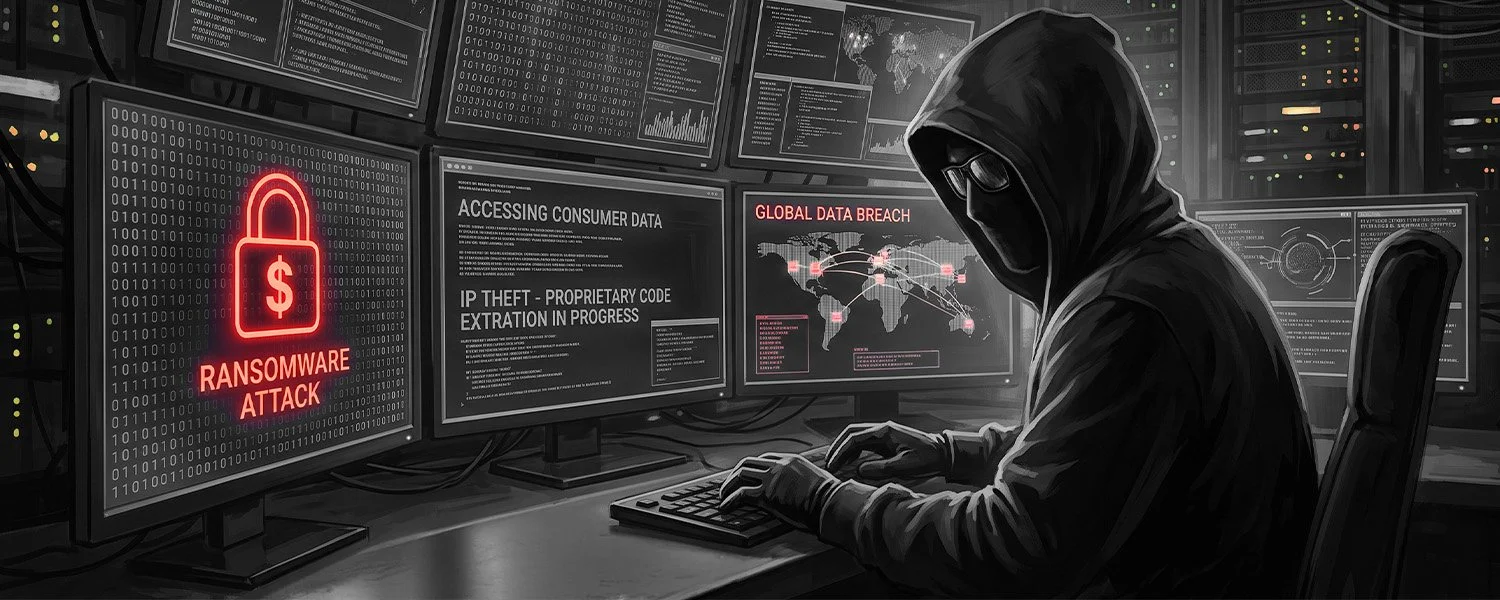
Cyber Crime Means Business: Potentially Yours
In this conversation between Christopher P. Skroupa and Don Ulsch, the two explore how executives consistently misjudge the true nature of cyber risk. Ulsch uses his “shark fin effect” metaphor to explain why leaders fixate on visible breaches involving personal data while missing the deeper, more damaging threats beneath the surface — the theft of trade secrets, strategic plans, and intellectual property that drive competitive advantage. Together, Skroupa and Ulsch unpack how today’s attackers—nation‑states, transnational criminal groups, cyber mercenaries, and insiders—operate as a sophisticated global business, and why boards must shift their focus from perimeter security to enterprise‑wide resilience, brand protection, and governance‑level cyber strategy.

Cybersecurity for the C-Suite and Shareholders: Cyber Risk Is Business Risk
Chuck Brooks argues that cybersecurity has fully shifted from an IT function to a core business, governance, and fiduciary responsibility. In an era defined by AI, quantum computing, connected infrastructure, and expanding digital dependencies, cyber risk is now enterprise risk — directly tied to business continuity, shareholder value, and organizational resilience.

ISA: Announces CISO Based, Cross Sector Study on AI in Critical Infrastructure
Larry Clinton outlines a landmark cross‑sector assessment by CISOs across five critical infrastructure sectors, examining how AI adoption is creating new security gaps. The study aims to build a practical, economically sustainable policy model for AI‑era cybersecurity — grounded in real operational experience rather than theoretical frameworks.
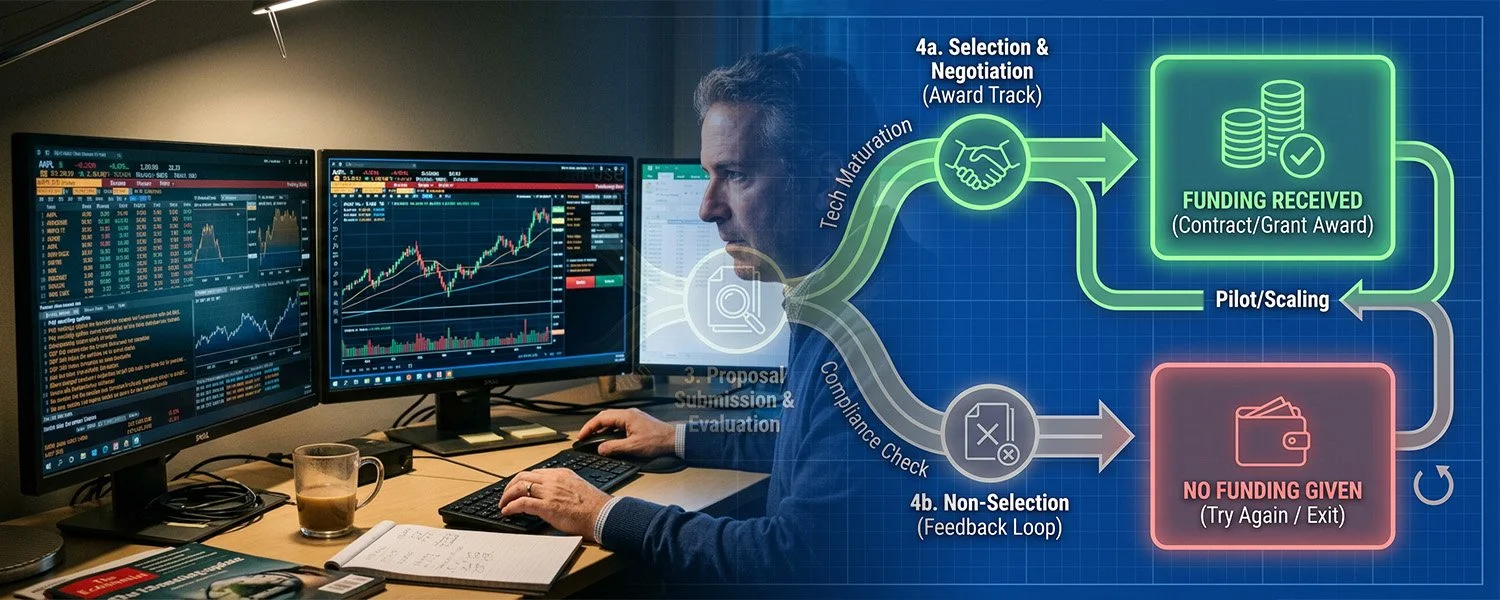
Mistaking Government Interest for Traction: The Adoption Gap
With record private capital flowing into defense and national‑security startups, boards increasingly rely on management claims of “government traction” to justify investment and strategic decisions. Tim Chrisman explains why this shorthand is dangerously imprecise. Government activity spans five distinct states—access, interest, selection, successful performance, and funded transition—and only the last materially reduces uncertainty for the company. Boards must separate what the government actually did from what changed in the company’s capital position because of it. His message is clear: disciplined governance is now essential to navigating the defense‑technology market.
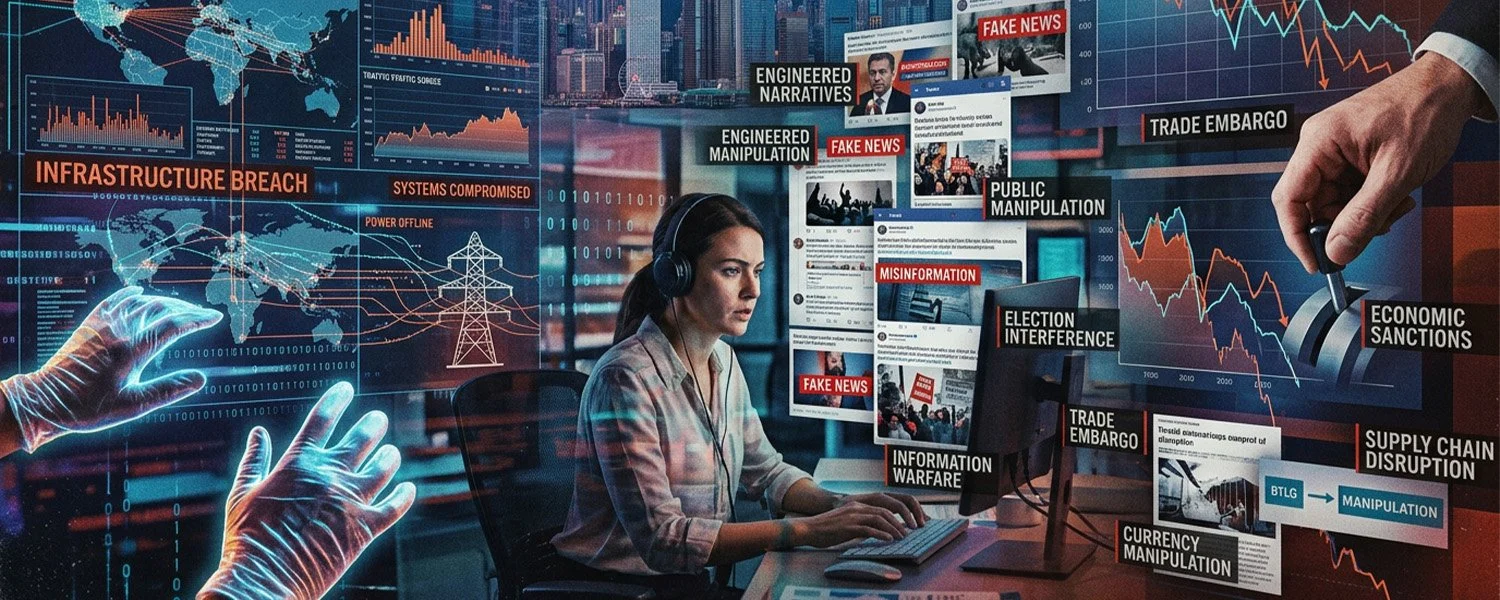
Corporate Responsibility Reimagined: Protecting Your Workforce From Security Threats
Howitt’s article reframes security as a mainstream corporate issue, not a government‑only domain. With cyberattacks rising nearly 50 percent and hybrid warfare tactics targeting private companies far more than states, he contends that businesses must adopt a “whole‑of‑society” approach to security. The piece highlights how geopolitical conflict, ideological hacktivists, and AI‑driven cyber threats are reshaping risk exposure across critical sectors. His central message: resilience is no longer optional — it is a strategic obligation.

AI and Boards: It Is Time to Get Practical
Mauro da Cunha offers a clear, grounded examination of how boards should approach AI with discipline and structure rather than enthusiasm alone. His article moves past abstract discussions and focuses on the practical implications for board culture, preparation, and accountability. By outlining the risks and appropriate use cases for AI notetakers, generative assistants, and virtual “AI directors,” he provides a thoughtful framework that helps directors integrate new tools without compromising judgment or engagement. It’s a steady, well‑reasoned piece that encourages boards to adopt AI deliberately and with governance at the forefront.
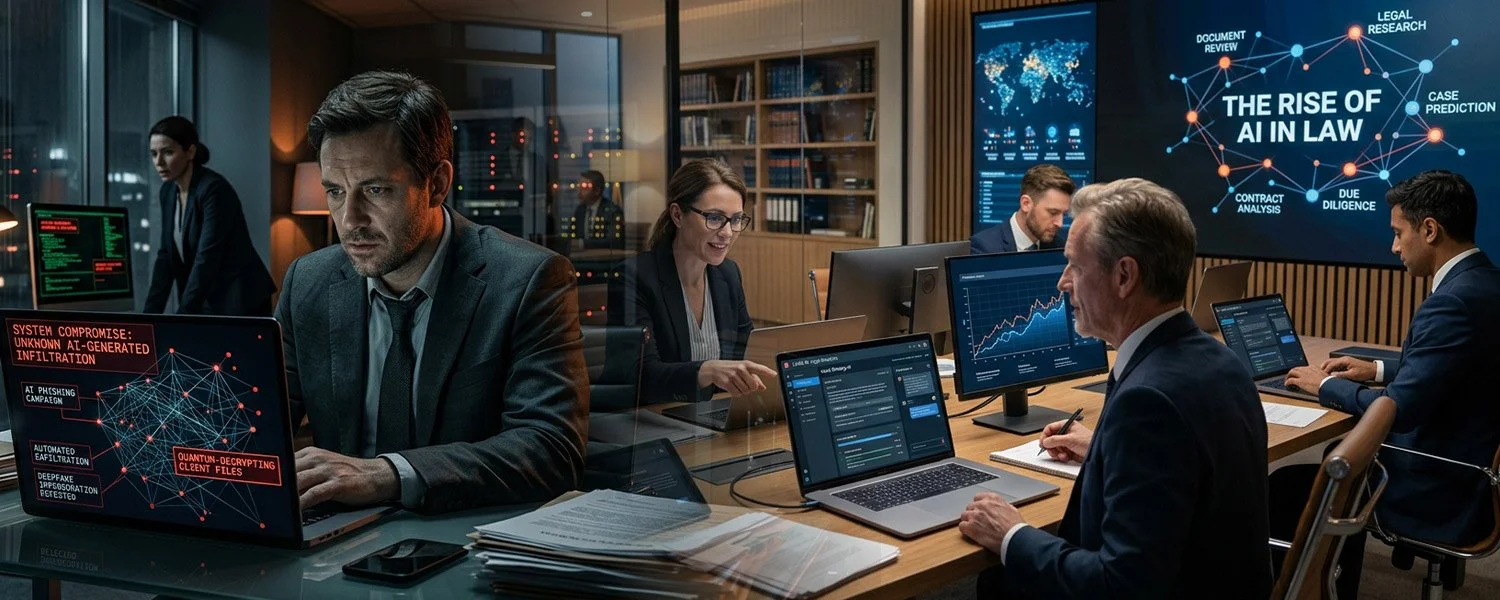
Why Law Firms Need to Address AI and Cybersecurity Differently: Or Risk Irrecoverable Injury to Brand
Chuck Brooks outlines how artificial intelligence has fundamentally reshaped both the legal profession and the cyber threat landscape and that law firms must treat AI‑driven cybersecurity as a governance imperative, not an IT function. Warning that firms failing to modernize their security posture risk catastrophic breaches, loss of client trust, and long‑term brand damage.
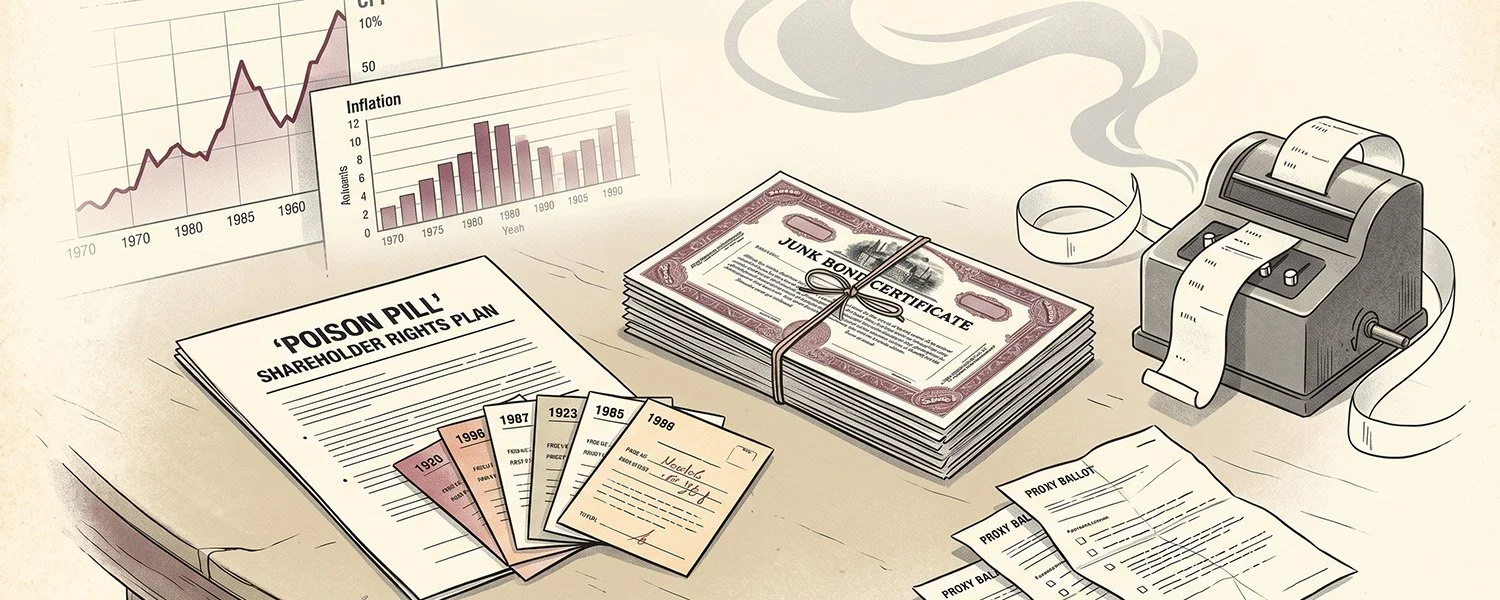
Battles That Built Modern Corporate Governance
Christopher P. Skroupa’s portrait of Dan Burch captures the emergence of modern shareholder activism as a story shaped by market volatility, legal ingenuity, and the evolution of boardroom dynamics. Through Burch’s recollections, the piece shows how MacKenzie Partners became a defining force in proxy contests and takeover defense, helping establish many of the governance practices that guide corporations today.

Mandatory Arbitration and Investor Claims: A Bad Idea
Mauro da Cunha warns that mandatory arbitration in issuer‑investor disputes undermines market trust. Drawing on Brazil’s Novo Mercado experience, where arbitration delivered “precisely zero dollars” in compensation and fostered secrecy, Mauro argues the U.S. risks repeating a costly mistake.

The New Bioeconomic Battleground: How AI, Data, and Biotechnology Are Rewriting Global Strategy
This conversation between Christopher P. Skroupa and Edward H. You explores how AI, data, and biotechnology are reshaping global power. China’s accelerating bioeconomy reveals widening strategic gaps for the U.S., underscoring the urgency of stronger data security and modernized biomanufacturing.
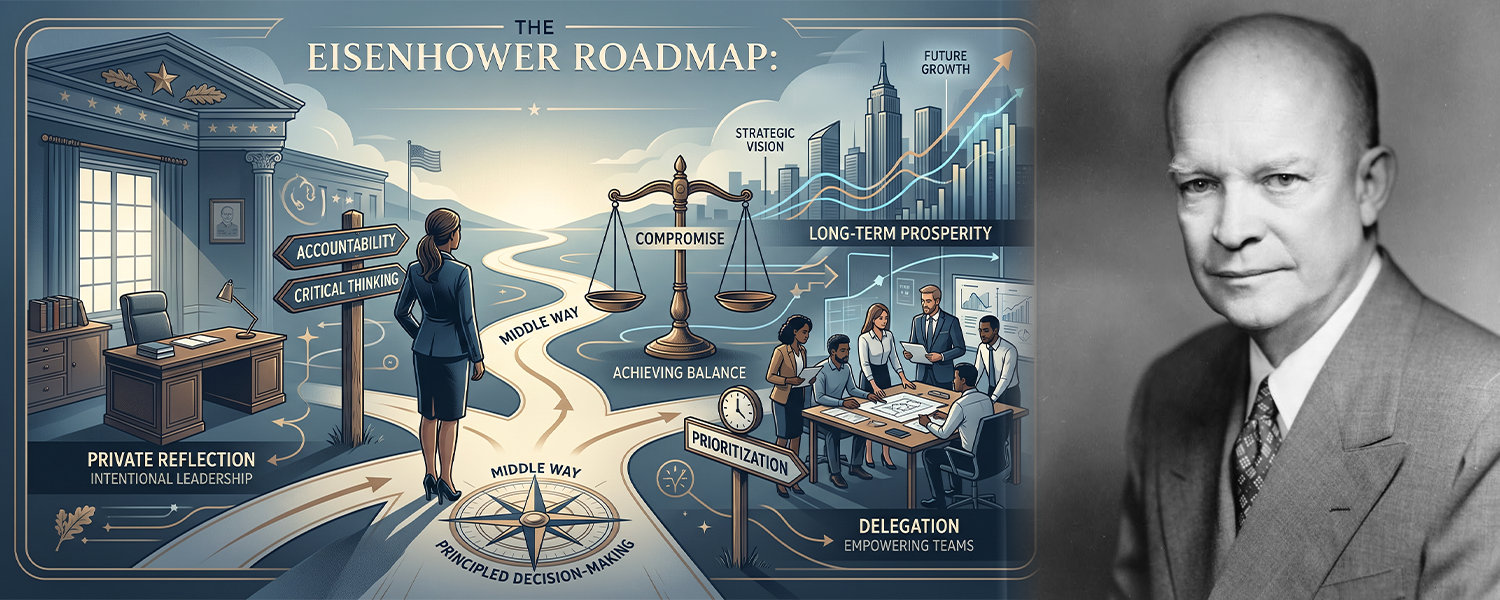
Calm of Command: Eisenhower’s Principles for Turbulent Times
Arthur Kohn examines how President Eisenhower’s calm judgment, strategic discipline, and focus on unity shaped his leadership. He shows how these principles offer a steadying model for navigating today’s turbulence and rebuilding trust in institutions.

Securing The Space Frontier: Challenges and Promises in the Emerging Digital Era
Chuck Brooks explores how the rapid expansion of commercial space, digital infrastructure, and geopolitical competition is reshaping security in orbit. He highlights the urgent need for resilient systems, stronger partnerships, and smarter governance to protect the emerging space frontier.

A Top Ten Brief on U.S.-China Issues on the Horizon
N. MacDonnell Ulsch outlines ten emerging flashpoints in the U.S.–China relationship, from technology competition to supply chain exposure and geopolitical maneuvering. He highlights the strategic risks on the horizon and the urgency for clearer policy, stronger resilience, and sharper intelligence.

The New Frontier of Operational Risk: Why Cybersecurity and Geopolitics Now Define Business Survival
Chuck Brooks examines how cybersecurity, geopolitics, and digital disruption have converged to redefine operational risk. He highlights the rising exposure facing global businesses and the need for integrated security, smarter governance, and resilient strategies to survive in this new era.

China’s Social Media Manipulation of South Sudan
N. MacDonnell Ulsch explains how China leverages social media manipulation to influence South Sudan’s political landscape, shape public perception, and expand its strategic reach. He highlights the broader implications for information security, sovereignty, and geopolitical competition.

Pressure Creates Diamonds But Also Bursts Pipes - How to Balance Driving the Management Team with Realistic Expectations
Michael Frankel explores how today’s economic, technological, and geopolitical pressures are reshaping corporate strategy. He highlights why some organizations strengthen under strain while others fracture and what leaders must do to build resilience before the next shock hits.

The Duality of Today’s Private Director Role
Michael Frankel explores the evolving role of today’s private director, balancing strategic guidance with heightened oversight demands. He highlights how rising complexity, risk, and stakeholder expectations have created a dual mandate that requires sharper judgment, independence, and adaptability.
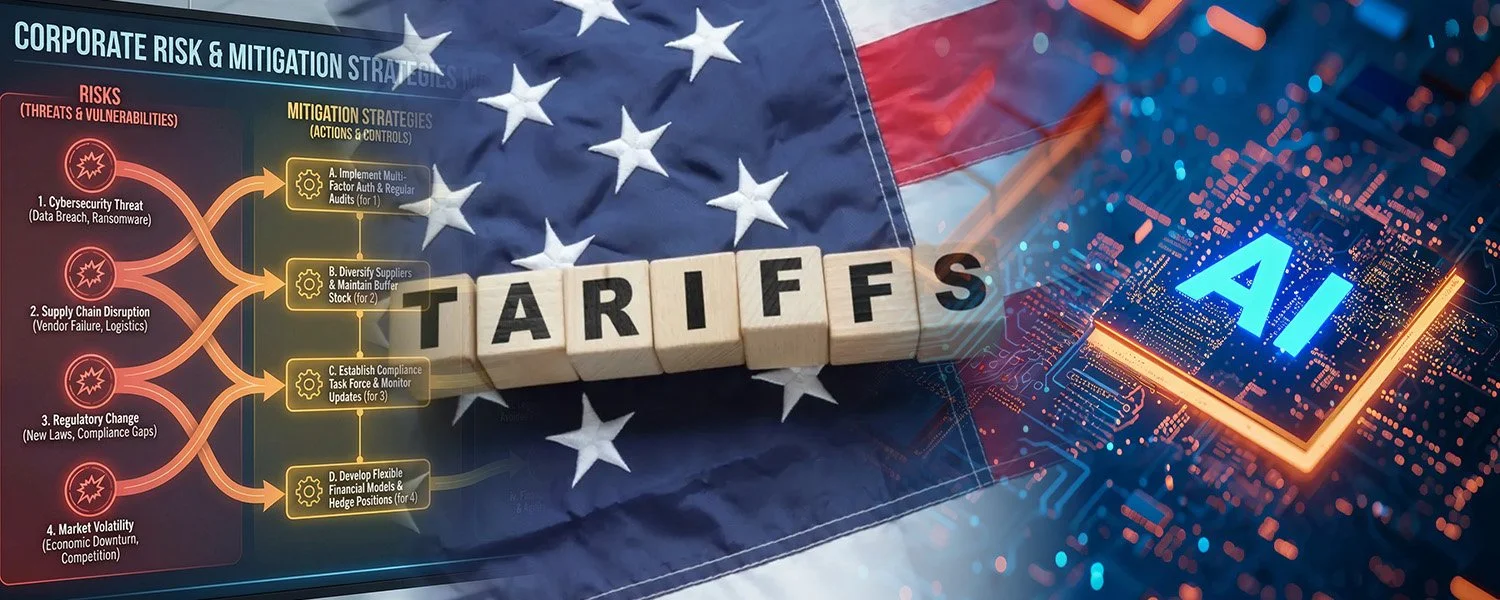
Six Trends Igniting Global Leadership in 2026
In 2025, global business leaders navigated elevated policy and economic noise. A revolutionary change in the US administration, tariffs and related supply-chain adaptation, shifting US policies, and massive AI investments all contributed to…